


Conquering Contact Lens Intolerance: How Specialty Eye Care Restores Lubricating Comfort
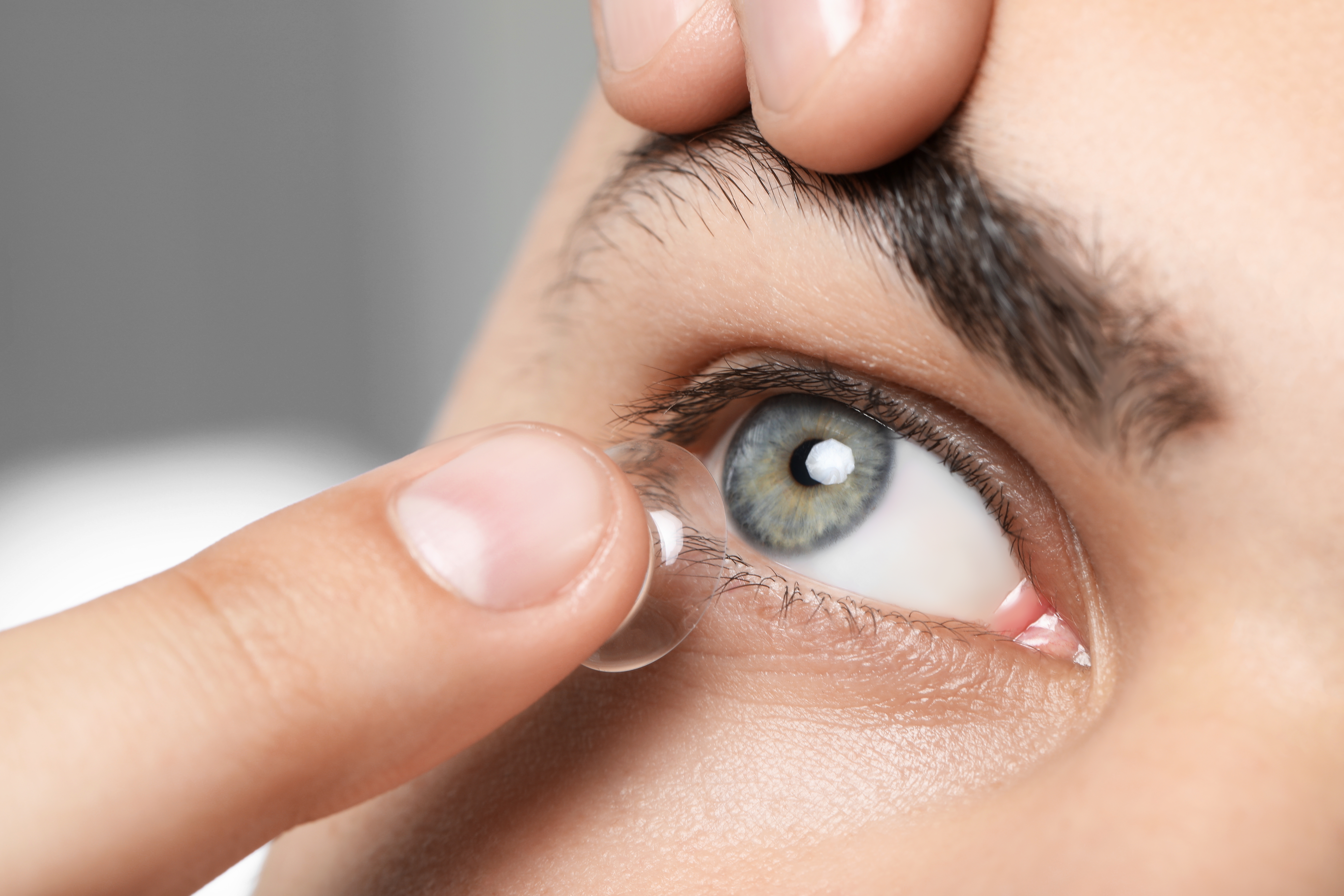
Contact lenses should provide clear vision without constant burning, dryness, redness, or the urge to remove them early. When standard soft lenses repeatedly feel uncomfortable, the problem may be contact lens intolerance rather than a lack of suitable options. Specialty eye care can identify why lens wear has become difficult and recommend a design that better matches the eye’s surface, tear film, and visual needs.
Why Standard Contact Lenses Become Uncomfortable
Contact lens discomfort can develop when the tear film is unstable, the eyes are chronically dry, or the cornea has an irregular shape. Conditions such as dry eye disease, meibomian gland dysfunction, keratoconus, corneal scarring, or a previous eye injury can make conventional lenses difficult to tolerate.
A lens that moves too much, fits too tightly, or dries out quickly may cause fluctuating vision and irritation. Simply switching brands without evaluating the underlying cause may provide only temporary improvement.
Signs You May Need a Contact Lens Exam
A contact lens evaluation may be appropriate when you experience:
• Burning, stinging, redness, or dryness during lens wear
• Blurry or fluctuating vision that improves after blinking
• Lenses that shift, pop out, or feel unstable
• Reduced wearing time as the day continues
• Discomfort despite trying multiple soft lens brands
• Difficulty wearing contacts because of keratoconus or an irregular cornea
These symptoms can reveal a fitting issue, an unhealthy ocular surface, or both.
How Specialty Contact Lenses Improve Comfort
Specialty contact lenses are designed for eyes that do not respond well to standard lenses. Depending on the condition, options may include rigid gas-permeable lenses, scleral lenses, limbal-fit lenses, or hybrid lenses.
Scleral lenses are especially helpful for some patients with severe dryness or irregular corneas. Instead of resting directly on the cornea, they vault over it and rest on the sclera, which is the white part of the eye. The space beneath the lens is filled with sterile saline, creating a fluid reservoir that keeps the corneal surface lubricated while supporting stable vision.
Hybrid lenses combine a firm, gas-permeable center with a softer outer skirt. This design can offer sharper optics while providing a feel that is more familiar to soft lens wearers.
Treating the Cause of Contact Lens Intolerance
Comfortable lens wear often begins with evaluating the tear film and eyelid glands. Advanced dry eye testing can help measure tear quality, identify inflammation, and assess meibomian gland health. These findings guide a personalized treatment plan rather than relying only on lubricating drops.
Dry eye treatment may be recommended before or alongside a specialty lens fitting. Improving the ocular surface can help lenses remain comfortable longer and support healthier contact lens wear.
A Personalized Fit Makes the Difference
Specialty contact lens fitting is a detailed process. The eye doctor evaluates the corneal shape, tear film, prescription, lens movement, and how the eye responds during wear. Follow-up visits allow the fit and prescription to be refined for greater comfort, clarity, and stability.
Schedule a contact lens exam with Lakes Area Eye Care to find a personalized lens solution that supports clearer vision, lasting comfort, and healthier eyes. Contact our office in Baxter, MN, by calling (218) 829-2929 to book an appointment today.


MAP
Powered by: 
