


Why Driving Home on Hwy 371 at Sunset Causes Severe Headlights Glare (And How Zeiss Lenses Fix It)
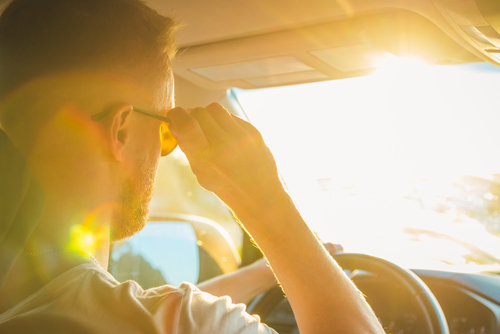
Why Driving Home on Hwy 371 at Sunset Can Cause Headlight Glare (And How ZEISS Lenses Can Help)
Driving home on Hwy 371 near Baxter can feel more demanding as daylight fades. Oncoming headlights may look unusually bright, with halos or streaks that make the road harder to see. At Lakes Area Eye Care, we help patients understand what is causing headlight glare and which prescription lens options may improve driving comfort.
Why Headlights Seem Brighter at Sunset
At dusk, your eyes adjust to decreasing daylight while still encountering bright headlights and reflections. Your pupils widen to let in more light, which can make existing focusing problems more noticeable. Headlights also stand out more sharply against a darkening background.
Low sunlight can add glare when it enters your field of view, while wet pavement and a streaked windshield can create additional reflections. Together, these conditions can make an otherwise familiar drive through Baxter more visually challenging.
Why Your Prescription and Eye Health Matter
Headlight glare is not always just a lighting problem. Uncorrected astigmatism can make lights appear stretched or streaky, while an outdated prescription may leave distant details blurry. Dry eye can affect visual clarity, and cataracts can scatter light inside the eye, causing glare and halos.
We evaluate your prescription and eye health to determine whether updated glasses, treatment for an eye condition, or both may help. A lens coating cannot correct every underlying cause.
How ZEISS DriveSafe Lenses Can Help
ZEISS DriveSafe lenses are designed for everyday wear, including driving in changing light conditions. Their anti-reflective coating helps reduce distracting lens reflections and perceived glare from headlights and streetlights.
The design also accounts for pupil size in low light. For people who need progressive lenses, DriveSafe provides viewing zones designed to support shifts between the road, dashboard, and mirrors.
Key features include:
Anti-reflective technology designed to reduce perceived glare.
Lens design that considers visual needs in dim lighting.
Single-vision and progressive options for different prescriptions.
Everyday wearability beyond time spent behind the wheel.
These features may make driving more comfortable, but results vary. ZEISS lenses do not eliminate all glare or treat conditions such as cataracts. We can discuss your driving concerns and help you understand which lens features fit your needs.
Simple Ways to Improve Evening Visibility
Keep your glasses and both sides of your windshield clean. Smudges and road film can make glare more distracting. Properly maintained headlights and carefully adjusted mirrors also support visibility.
Avoid looking directly into oncoming headlights. Sunglasses and dark tints reduce the light reaching your eyes, so remove them as daylight fades rather than using them to manage nighttime glare.
When to Schedule an Eye Exam
If headlights are becoming harder to tolerate or you struggle to read road signs around Baxter, schedule an eye exam. Tell us whether the problem happens at sunset, after dark, or during rainy weather. If glare prevents you from seeing the road clearly, stop driving when it is safe to do so and arrange another ride.
For a clearer, more comfortable evening drive, contact Lakes Area Eye Care in Baxter, MN, by calling (218) 829-2929 to schedule an eye exam and discuss your lens options.


MAP
Powered by: 
